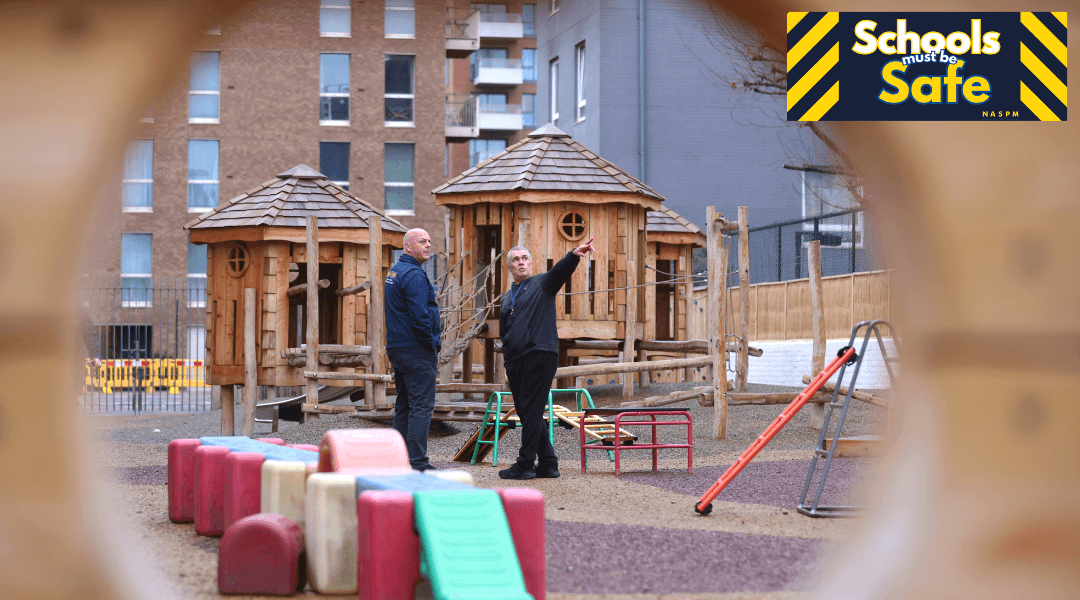
In today’s world, schools face a growing responsibility to protect students, staff, and visitors from a range of security risks. While education remains the core mission, safety and security are now integral to creating a positive learning environment. Effective security management is not just about compliance—it’s about fostering confidence and resilience across the school community. Why Security Management Matters Schools are unique spaces: open, welcoming, and often bustling with activity. This openness can make them vulnerable to threats such as unauthorised access, vandalism, and, in rare cases, terrorism. Recent legislation like Martyn’s Law (Protect Duty) reinforces the need for proactive measures to safeguard premises and people. Key Common Security Audit findings
  • Schools not completing school security audits 
  • Lack of specific school security risk assessments 
  • Lack of emergency alert communication
  • Physical security concerns including poor heights and designs of perimeter fencing
  • Insufficient internal security inspections and auditing 
  • Weak entrance areas 
Key Principles of School Security Management
  1. Risk Assessment
    • Conduct regular, comprehensive risk assessments to identify vulnerabilities.
    • Consider physical security, cyber threats, and emergency preparedness.
  2. Access Control
    • Implement controlled entry points and visitor management systems.
    • Use ID badges, sign-in procedures, and secure perimeter fencing where appropriate.
  3. Emergency Planning
    • Develop clear procedures for evacuation, invacuation, and lockdown.
    • Ensure these plans are documented, communicated, and practiced through drills.
  4. Staff Training
    • Provide training on situational awareness and emergency response.
    • Encourage participation in programs like the Home Office’s ACT Awareness e-learning.
  5. Communication Systems
    • Establish reliable channels for alerting staff and students during incidents.
    • Integrate technology for mass notifications and coordination with emergency services.
  6. Community Engagement
    • Work closely with parents, local authorities, and law enforcement.
    • Promote a culture of vigilance without creating fear.
Martyn’s Law and Schools Under Martyn’s Law, schools with a capacity of 200 or more people fall under the Standard Tier, requiring:
  • A designated Responsible Person to oversee compliance.
  • Proportionate security plans focusing on procedures rather than costly physical changes
Practical Steps for Schools
  • Audit existing safety protocols and integrate them with Martyn’s Law requirements.
  • Schedule regular drills for lockdown and evacuation.
  • Review visitor management and perimeter security.
  • Keep security policies updated and aligned with safeguarding frameworks.
Conclusion Security management in schools is about balance—maintaining an open, nurturing environment while ensuring robust protection. By embedding security into everyday operations, schools can meet legal obligations and, more importantly, provide peace of mind for students, staff, and families. Looking ahead The Schools Must Be Safe by NASPM campaign will continue to provide clarity and practical tools to support schools as statutory guidance and regulatory expectations evolve.  Our members have access to our Security Risk Assessments and Security Auditing Tools together with other key templates such as Lockdown and Terrorism Risk Assessments. Supported by the NASPM Training Academy specific training sessions. 
National Alliance of School Premises Management
Privacy Overview

This website uses cookies so that we can provide you with the best user experience possible. Cookie information is stored in your browser and performs functions such as recognising you when you return to our website and helping our team to understand which sections of the website you find most interesting and useful.